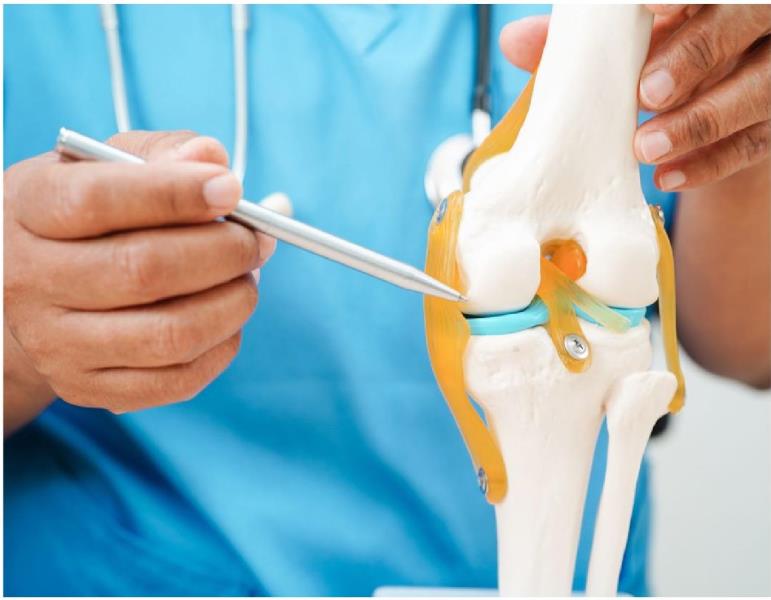
“Peak incidence traditionally occurred at ages 55 to 59, but we’re now seeing significant increases in younger demographics.”
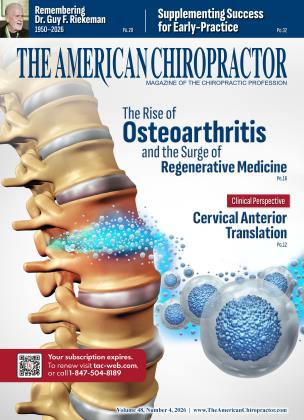
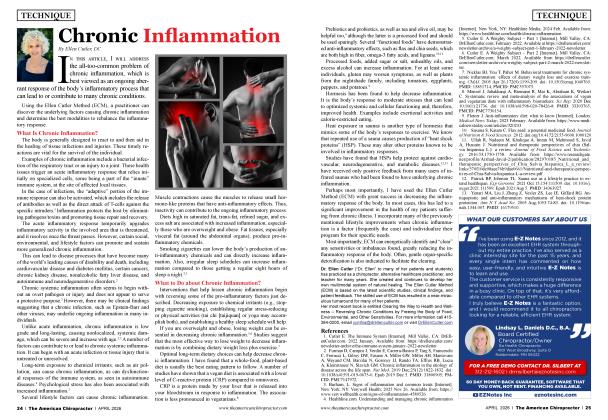
DID YOU KNOW THAT OSTEOARTHRITIS CASES have exploded by nearly 150% in the past couple of decades, now affecting over 607 million people worldwide?
Imagine walking into your practice tomorrow knowing that this number is projected to reach over 750 million within the next few years. As chiropractors, we’re witnessing the perfect storm of an aging population colliding with rising obesity rates, sedentary lifestyles, and inflammatory diets, creating an unprecedented wave of joint degeneration that’s reshaping our profession.
While conventional medicine scrambles to keep pace with invasive surgeries and hardware replacements, a revolutionary shift is occurring right beneath the surface. Regenerative medicine is surging, offering our patients what they’ve been desperately seeking — natural, noninvasive alternatives that work with the body’s own healing mechanisms rather than against them.
The numbers paint a troubling picture that every DC needs to understand. Osteoarthritis isn’t just affecting our elderly patients; we’re seeing a dramatic 34% increase in cases among the 20 to 54 age group. This isn’t your grandfather’s arthritis; it’s a modem plague driven by lifestyle factors we can actually address in our practices.
High BMI has emerged as the thief robbing our patients of healthy joints decades before their time. Research reveals that elevated body mass index (BMI) now drives an estimated 4.43 million disability-adjusted life years, a staggering 205% increase that translates directly to the patients walking through your doors with chronic pain, limited mobility, and declining quality of life.
But it’s not just about weight; it’s about body composition. Patients with high fat mass and low lean muscle mass are experiencing more severe OA symptoms and worse physical function outcomes. This gives us, as movement specialists, a crucial intervention point that traditional medicine often overlooks.
Sixty percent of OA patients are female, with consistently higher age-standardized rates across all populations. This isn’t a coincidence; it’s biology, hormones, and lifestyle factors converging in ways that demand our attention. Female patients face unique challenges, including hormonal fluctuations, different biomechanical stresses, and often delayed diagnoses that we’re uniquely positioned to address through comprehensive care approaches.
The most alarming trend? Early-onset osteoarthritis is skyrocketing, driven primarily by obesity and joint injuries. Peak incidence traditionally occurred at ages 55 to 59, but we’re now seeing significant increases in younger demographics. This means the 35-year-old construction worker or the 28-year-old weekend warrior isn’t experiencing “normal aging”; it’s accelerated joint degeneration that demands immediate intervention.
Why are patients increasingly dissatisfied with traditional orthopedic approaches for osteoarthritis? The answer lies in the fundamental limitations of current treatments.
Joint replacement surgeries, while sometimes necessary, come with sobering realities that many patients don’t fully understand:
• Hardware failure rates ranging from 5% to 15%, requiring revision surgeries.
• Recovery periods extending six to 12 months for full function restoration.
• Infection risks affecting 1 % to 3% of patients, with potentially devastating consequences.
• Cost burdens averaging $30,000 to $50,000 per procedure, often not fully covered by insurance.
More concerning is the reality that many patients undergo multiple surgeries over their lifetime. The 45-year-old who receives a knee replacement may need revision surgery by age 60, creating a cycle of interventions that never truly addresses the underlying inflammatory processes driving joint degeneration.
NSAIDs and corticosteroid injections offer temporary relief while potentially accelerating long-term cartilage breakdown. Patients often find themselves on an escalating pharmaceutical treadmill of stronger medications, more frequent injections, and increasing side effects without addressing root causes.
Traditional treatments focus on symptom management rather than tissue regeneration. They don’t restore function; they manage dysfunction. This approach leaves patients feeling hopeless about their long-term prognosis and drives them to seek alternatives that align with their desire for genuine healing.
Enter regenerative medicine, a paradigm shift that’s transforming how we approach osteoarthritis treatment. This isn’t alternative medicine; it’s precision medicine utilizing the body’s own healing mechanisms to restore damaged tissue.
Mesenchymal stem cells possess the remarkable ability to differentiate into cartilage, bone, and connective tissue cells. When properly harvested and applied, these cellular powerhouses can:
• Reduce inflammation at the cellular level.
• Stimulate cartilage regeneration through paracrine signaling.
• Modulate immune responses to prevent further tissue destruction.
• Promote tissue remodeling for improved joint function.
The beauty of stem cell therapy lies in its mechanism. We’re not masking symptoms; we’re activating the body’s inherent repair systems that conventional treatments often suppress.
The Exosome Breakthrough: Cellular Communication at Its Finest
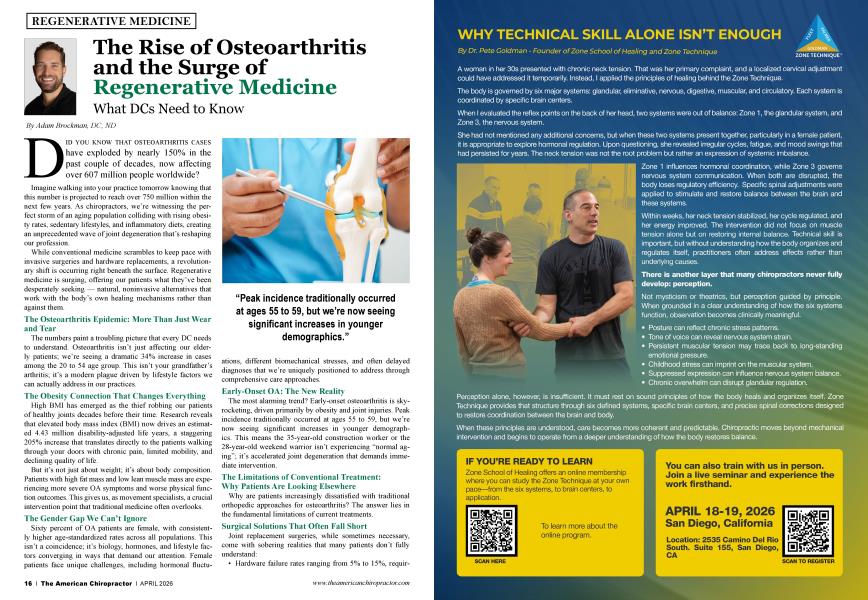
Exosomes represent perhaps the most exciting development in regenerative medicine. These nano-sized vesicles carry growth factors, proteins, and genetic material that facilitate tissue repair and regeneration. Unlike direct stem cell therapy, exosomes offer:
• No risk of rejection since they’re acellular.
• Consistent potency through standardized manufacturing.
• Easier storage and application for clinical use.
• Targeted delivery of healing signals.
A groundbreaking pilot study involving 80 patients with low back osteoarthritis utilizing topical exosome therapy has yielded remarkable results that every DC should understand. Participants experienced significant pain reduction and improved functional outcomes without systemic side effects or invasive procedures.
This study is particularly relevant for chiropractors because of the topical delivery method. Patients applied exosome-containing formulations directly to affected areas, achieving therapeutic benefits through transdermal absorption. This noninvasive approach aligns perfectly with our profession while delivering measurable clinical outcomes.
Before considering regenerative options, a comprehensive assessment is crucial:
•Inflammatory markers, including CRP and ESR.
•Body composition analysis to identify fat/lean mass ratios.
•Movement patterns revealing biomechanical contributors.
•Nutritional status affecting healing capacity.
•Lifestyle factors, including sleep, stress, and activity levels.
Successful regenerative medicine integration follows a logical progression:
1 . Infl amination reduction through dietary modifications and targeted supplementation.
2 .Movement optimization addressing biomechanical dysfunctions.
3 .Tissue preparation using manual therapies and modalities.
4 .Regenerative intervention when tissues are primed for healing.
5 .Rehabilitation and maintenance to maximize long-term outcomes.
The future of OA treatment involves multidisciplinary approaches where chiropractors play central roles:
•Start using noninvasive topical exosome therapy in your practice.
•Partner with regenerative specialists for advanced procedures.
•Provide preand post-treatment optimization through manual therapy.
•Lead lifestyle modification programs addressing root causes.
•Monitor long-term outcomes through functional assessments.
Regenerative approaches offer compelling economic advantages for both patients and practices:
•Reduced long-term costs compared to surgical interventions.
• Faster return to function, minimizing disability periods.
• Decreased pharmaceutical dependence, reducing medication costs.
• Improved quality of life measures justifying investment.
We’re witnessing the early stages of a fundamental shift in healthcare delivery. Patients are demanding treatments that work with their bodies rather than against them. They’re seeking practitioners who understand both the science and art of natural healing.
As chiropractors, we’re uniquely positioned to lead this transformation. Our training in biomechanics, our understanding of the body’s innate healing capacity, and our patient-centered approach make us ideal providers for integrating regenerative medicine into comprehensive care plans.
The osteoarthritis epidemic isn’t slowing down, but neither is our ability to offer hope, healing, and restored function through scientifically backed regenerative approaches. The question isn’t whether regenerative medicine will transform OA treatment; it’s whether we’ll be leaders or followers in this exciting evolution.
The time to act is now.
Dr. Adam Brockman, DC, ND, co-host of America’s #1 health talk radio show, nationally recognized speaker, and regenerative medicine expert is a dual-doctorate in chiropractic and naturopathy. His clinical experience ranges from founding the Complete Wellness Companies, a nationally recognized regenerative medicine practice network, to developing topical pain relief products. To learn more, visit NuvoCellbioloqics.com.
1. GBD 2021 Osteoarthritis Collaborators. Global, regional, and national burden of osteoarthritis, 1990-2020 and projections to 2050: a systematic analysis for the Global Burden of Disease Study 2021. Lancet Rheumatol. 2023 Aug 21;5(9):e508-e522. doi: 10.1016/82665-9913(23)00163-7. PMID: 37675071; PMCID: PMC10477960.
2. Hunter DJ, Bierma-Zeinstra S. Osteoarthritis. Lancet. 2019 Apr 27;393(10182): 1745-1759. doi: 10.1016/80140-6736(19)30417-9. PMID: 31034380.
3. Weng Q, Chen Q, Jiang T, Zhang Y, Zhang W, Doherty M, Xie J, Liu K, Li J, Yang T, Wei J, Lei G, Zeng C. Global burden of early-onset osteoarthritis, 1990-2019: results from the Global Burden of Disease Study 2019. Ann Rheum Dis. 2024 Jun 12;83(7):915-925. doi: 10.1136/ard-2023225324. PMID: 38429104.
4. Wu R, Guo Y, Chen Y, Zhang J. Osteoarthritis burden and inequality from 1990 to 2021: a systematic analysis for the Global Burden of Disease Study 2021. Sci Rep. 2025;15(8305). doi: 10.1038/s41598-025-93124-z.
5. Li H-Z, Liang X-Z, Sun Y-Q, Jia H-F, Li J-C, Li G. Global, regional, and national burdens of osteoarthritis from 1990 to 2021: findings from the 2021 global burden of disease study. Front. Med. 2024:11:1476853. doi: 10.3389/fmed.2024.1476853
6. Qiao L, Li M, Deng F, Wen X, Deng H, Xue Z, Zhou J, Lin J, Amhare AF, Xiang R, Fan X, Wang J, Han J. Epidemiological trends of osteoarthritis at the global, regional, and national levels from 1990 to 2021 and projections to 2050. Arthritis Res Ther. 2025 Oct 28;27( 1): 199. doi: 10.1186/ S13075-025-03658-W. PMID: 41152934; PMCID: PMC12570834.
7. Lu Y, Xiao W, Tao K. Global burden of osteoarthritis attributable to high body mass index, 1990 to 2021: insights from the global burden of disease study 2021. Arthritis Rheumatol. 2025 Nov;77(ll):1503-1511. doi: 10.1002/art.4324L Epub 2025 Jul 16. PMID: 40386924.
8. Khaja H. High BMI linked to rising OA disability burden [Internet], Rheumatology Advisor. New York City: Haymarket Medical Network. 2025 July 3. Available from: https://www.rheumatologyadviso... high-bmi-linked-to-rising-oa-disability-burden/
9. Ryan SP, Stambough JB, Huddleston JI 3rd, Levine BR. Highlights of the 2023 American Joint Replacement Registry annual report. Arthroplast Today. 2024 Feb 29:26:101325. doi: 10.1016/j.artd.2024.101325. PMID: 39006856; PMCID: PMC 11239969.
10. Achakri H, Ben-Shlomo Y, Blom A, et al. The National Joint Registry 20th annual report 2023 [Internet], London: National Joint Registry; 2022 Dec. Available from: https://www.ncbi.nlm.nih.gov/b... NBK601075/
11. Achakri H, Ben-Shlomo Y, Blom A, et al. The National Joint Registry 21st annual report 2024 [Internet], London: National Joint Registry; 2023 Dec. Available from: https://www.ncbi.nlm.nih.gov/b... NBK612782/
12. -Lweis PL, Gill DR, McAuliffe MJ, McDougall C Stoney JD, Vertullo, CJ, Wall CJ, Corfield 8, Du P, Holder C, Harries D, Edwards 8, Xu A, Lorimer MF, Cashman K, Smith PN. Hip, knee, and shoulder arthroplasty: 2024 annual report [Internet]. Australian Orthopedic Association. Adelaide, Australia: National Joint Replacement Registry. doi: 10.25310/GLOL776. Available from: https://aoanjrr.sahmri.com/ann...
13. Kurtz SM, Lau E, Watson H, Schmier JK, Parvizi J. Economic burden of periprosthetic joint infection in the United States. J Arthroplasty. 2012 Sep;27(8 Suppl):61-5.el. doi: 10.1016/j.arth.2012.02.022. Epub 2012 May 2. PMID: 22554729.
14. The Health of America Report. Planned hip and knee replacement surgeries are on the rise in the U.S. [Internet], Chicago: Blue Cross Blue Shield Association. 2019. Available from: https://www.bluehealthintelligence.com/wp-content/uploads/2019/01/HoA-OrthopedicCosts-Report. pdf
15. McAlindon TE, LaValley MP, Harvey WF, Price EL, Driban JB, Zhang M, Ward RJ. Effect of intra-articular triamcinolone vs saline on knee cartilage volume and pain in patients with knee osteoarthritis: a randomized clinical trial. JAMA. 2017 May 16;317(19): 1967-1975. doi: 10.1001/jama.2017.5283. PMID: 28510679; PMCID: PMC5815012.
16. Bannuru RR, Schmid CH, Kent DM, Vaysbrot EE, Wong JB, McAlindon TE. Comparative effectiveness of pharmacologic interventions for knee osteoarthritis: a systematic review and network meta-analysis. Ann Intern Med. 2015 Jan 6;162(l):46-54. doi: 10.7326/M14-1231. PMID: 25560713.
17. Kolasinski SL, Neogi T, Hochberg MC, Oatis C, Guyatt G, Block J, Callahan L, Copenhaver C, Dodge C, Felson D, Gellar K, Harvey WF, Hawker G, Herzig E, Kwoh CK, Nelson AE, Samuels J, Scanzello C, White D, Wise B, Altman RD, DiRenzo D, Fontanarosa J, Giradi G, Ishimori M, Misra D, Shah AA, Shmagel AK, Thoma EM, Turgunbaev M, Turner AS, Reston J. 2019 American College of Rheumatology/Arthritis Foundation guideline for the management of osteoarthritis of the hand, hip, and knee. Arthritis Care Res (Hoboken). 2020 Feb;72(2): 149-162. doi: 10.1002/ acr.24131. Epub 2020 Jan 6. Erratum in: Arthritis Care Res (Hoboken). 2021 May;73(5):764. doi: 10.1002/acr,24615. PMID: 31908149; PMCID: PMC11488261.
18. Courties A, Kouki I, Soliman N, Mathieu 8, Sellam J. Osteoarthritis year in review 2024: Epidemiology and therapy. Osteoarthritis Cartilage. 2024 Nov;32(ll): 1397-1404. doi: 10.1016/j joca.2024.07.014. Epub 2024 Aug 3. PMID: 39103081.
19. Fan WJ, Liu D, Pan LY, Wang WY, Ding YL, Zhang YY, Ye RX, Zhou Y, An SB, Xiao WF. Exosomes in osteoarthritis: Updated insights on pathogenesis, diagnosis, and treatment. Front Cell Dev Biol. 2022 Jul 26:10:949690. doi: 10.3389/fcell.2022.949690. PMID: 35959489; PMCID: PMC9362859.ClinicalTrials.gov: NCT06466850. Mesenchymal stem cell-derived exosomes in osteoarthritis patients.
20. Gupta A. Exosomes for the management of low back pain: a review of current clinical evidence. Cureus. 2024 Apr 3;16(4):e57539. doi: 10.7759/cureus,57539. PMID: 38707134; PMCID: PMC11068073.
21. Broad MSC evidence base (knee OA): multiple randomized and non-randomized studies and meta-analyses (2019-2024) suggest symptomatic improvements vs comparators (e.g., HA/PRP) with heterogeneity in cell source, dose, and manufacturing; regulatory status varies by jurisdiction. See Osteoarthritis and Cartilage therapy reviews (2019-2024) for consolidated appraisals.
22. Bannuru RR, Osani MC, Vaysbrot EE, Arden NK, Bennell K, Bierma-Zeinstra SMA, Kraus VB, Lohmander LS, Abbott JH, Bhandari M, Blanco FJ, Espinosa R, Haugen IK, Lin J, Mandi LA, Moilanen E, Nakamura N, Snyder-Mackler L, Trojian T, Underwood M, McAlindon TE. OARSI guidelines for the non-surgical management of knee, hip, and polyarticular osteoarthritis. Osteoarthritis Cartilage. 2019 Nov;27(ll):15781589. doi: 10.1016/j joca.2019.06.011. Epub 2019 Jul 3. PMID: 31278997.
23. Rausch Osthoff AK, Niedermann K, Braun J, Adams J, Brodin N, Dagfinrud H, Duruoz T, Esbensen BA, Gunther KP, Hurkmans E, Juhl CB, Kennedy N, Kiltz U, Knittie K, Nurmohamed M, Pais S, Severijns G, Swinnen TW, Pitsillidou IA, Warburton L, Yankov Z, Vliet Vlieland TPM. 2018 EULAR recommendations for physical activity in people with inflammatory arthritis and osteoarthritis. Ann Rheum Dis. 2018 Sep;77(9): 1251-1260. doi: 10.1136/annrheumdis-2018-213585. Epub 2018 Jul 11. PMID: 29997112.