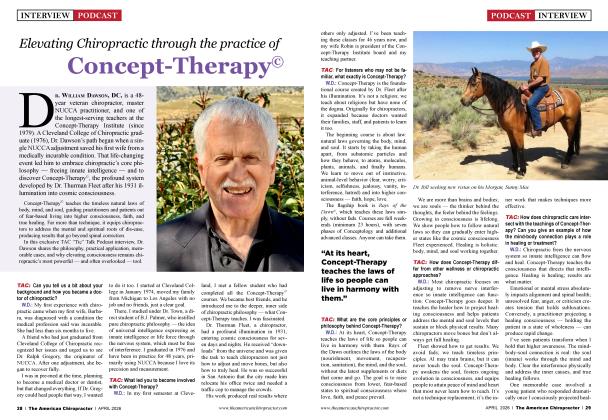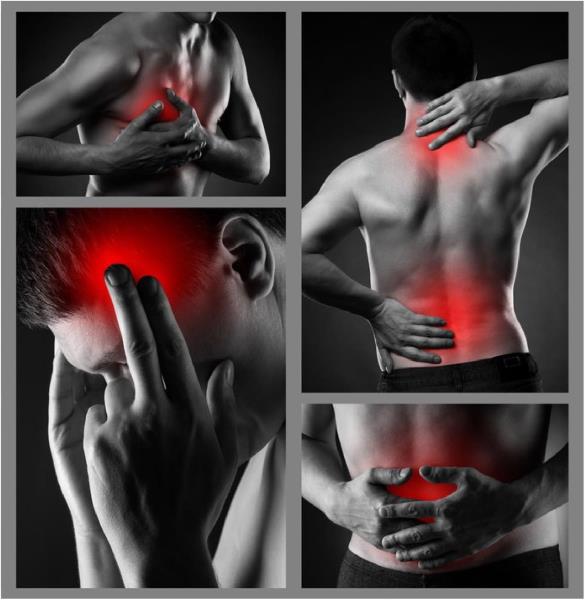
IN THIS ARTICLE, I WILL ADDRESS the all-too-common problem of chronic inflammation, which is best viewed as an ongoing aberrant response of the body’s inflammatory process that can lead to or contribute to many chronic conditions.
Using the Ellen Cutler Method (ECM), a practitioner can discover the underlying factors causing chronic inflammation and determine the best modalities to rebalance the inflammatory response.
The body is generally designed to react to and then aid in the healing of tissue infections and injuries. These timely reactions are vital for the survival of the individual.
Examples of chronic inflammation include a bacterial infection of the respiratory tract or an injury to a joint. These health issues trigger an acute inflammatory response that relies initially on specialized cells, some being a part of the “innate” immune system, at the site of affected local tissues.
In the case of infections, the “adaptive” portion of the immune response can also be activated, which includes the release of antibodies as well as the direct attack of T-cells against the specific intruders.1 Inflammation protects the host by eliminating pathogens/toxins and promoting tissue repair and recovery.
The acute inflammatory response temporarily upgrades inflammatory activity in the involved area that is threatened, and it resolves once the threat passes. However, certain social, enviromnental, and lifestyle factors can promote and sustain more generalized chronic inflammation.
This can lead to disease processes that have become many of the world’s leading causes of disability and death, including cardiovascular disease and diabetes mellitus, certain cancers, chronic kidney disease, nonalcoholic fatty liver disease, and autoimmune and neurodegenerative disorders.2
Chronic systemic infl aimnation often seems to begin without an overt pathogen or injury and does not appear to serve a protective purpose.3 However, there may be clinical findings suggesting that a chronic infection, such as Epstein-Barr and other viruses, may underlie ongoing inflammation in many individuals.
Unlike acute inflammation, chronic inflammation is low grade and long-lasting, causing nonlocalized, systemic damage, which can be severe and increase with age.2-3 A number of factors can contribute to or lead to chronic systemic inflammation. It can begin with an acute infection or tissue injury that is untreated or unresolved.
Long-term exposure to chemical irritants, such as air pollution, can cause chronic inflammation, as can dysfunctional responses of the immune system, as seen in autoiimnune diseases.4 Psychological stress has also been associated with increased inflammation.3
Several lifestyle factors can cause chronic inflammation. Muscle contractions cause the muscles to release small hormone-like proteins that have anti-inflammatory effects. Thus, inactivity can contribute to the ongoing inflammatory process.
Diets high in saturated fat, trans-fat, refined sugar, and excess salt are associated with increased inflammation, especially those who are overweight and obese. Fat tissues, especially visceral fat (around the abdominal organs), produce pro-inflammatory chemicals.
Smoking cigarettes can lower the body’s production of anti-inflammatory chemicals and can directly increase inflammation. Also, irregular sleep schedules can increase inflammation compared to those getting a regular eight hours of sleep a night.2-3
Interventions that help lessen chronic inflammation begin with reversing some of the pro-inflammatory factors just described. Decreasing exposure to chemical irritants (e.g., stopping cigarette smoking), establishing regular stress-reducing or physical activities (tai chi [taijiquan] or yoga may accomplish both), and establishing a healthy sleep schedule will help.
If you are overweight and obese, losing weight can be essential in decreasing chronic inflammation.5 6 Studies suggest that the most effective way to lose weight to decrease inflammation is by combining dietary weight loss plus exercise.7
Optimal long-term dietary choices can help decrease chronic infl aimnation. I have found that a whole-food, plant-based diet is usually the best eating pattern to follow. A number of studies have shown that a vegan diet is associated with a lower level of C-reactive protein (CRP) compared to omnivores.
CRP is a protein made by your liver that is released into your bloodstream in response to inflammation. The association is less pronounced in vegetarians.8
Prebiotics and probiotics, as well as tea and olive oil, may be helpful too,9 although the latter is a processed food and should be used sparingly. Several “functional foods” have demonstrated anti-inflammatory effects, such as flax and chia seeds, which are both high in fiber, omega-3 fatty acids, and lignans.10-11
Processed foods, added sugar or salt, unhealthy oils, and excess alcohol can increase inflammation. For at least some individuals, gluten may worsen symptoms, as well as plants from the nightshade family, including tomatoes, eggplants, peppers, and potatoes.9
Hormesis has been found to help decrease inflammation. It is the body’s response to moderate stresses that can lead to optimized systemic and cellular functioning and, therefore, improved health. Examples include exertional activities and calorie-restricted eating.
Heat exposure in saunas is another type of hormesis that mimics some of the body’s responses to exercise. We know that repeated use of a sauna causes production of “heat shock proteins” (HSP). These may alter other proteins known to be involved in inflammatory responses.
Studies have found that HSPs help protect against cardiovascular, neurodegenerative, and metabolic diseases.12-13 I have received only positive feedback from many users of infrared saunas who had been found to have underlying chronic infl aimnation.
Perhaps most importantly, I have used the Ellen Cutler Method (ECM) with great success in decreasing the inflammatory response of the body. In most cases, this has led to a significant improvement in the health of my patients suffering from chronic illness. I incorporate many of the previously mentioned lifestyle improvements when chronic inflammation is a factor (frequently the case) and individualize their program for their specific needs.
Most importantly, ECM can energetically identify and “clear” any sensitivities or imbalances found, greatly reducing the inflammatory response of the body. Often, gentle organ-specific detoxification is also indicated to facilitate the clearing.
Dr. Ellen Cutler (“Dr. Ellen” to many of her patients and students) has practiced as a chiropractor, alternative healthcare practitioner, and teacher for many years. She created and continues to develop her own multimodal system of natural healing. The Ellen Cutler Method (ECM) is based on the latest scientific studies, clinical findings, and patient feedback. The skilled use of ECM has resulted in a near-miraculous turnaround for many of her patients.
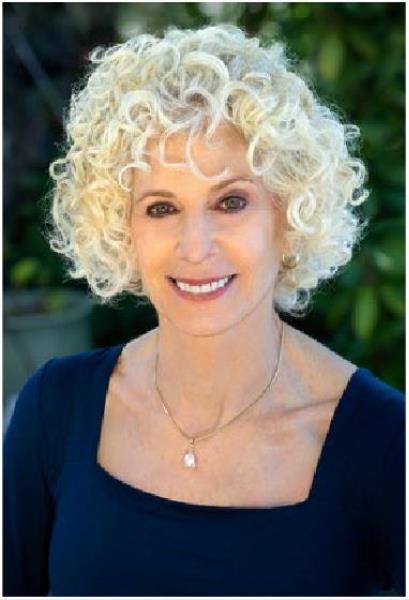
Her most recent book is entitled Clearing the Way to Health and Wellness - Reversing Chronic Conditions by Freeing the Body of Food, Environmental, and Other Sensitivities. Formore information call 415384-0200, email [email protected] or visit DrEllenCutler.com
1. Cutler E. The Immune System [Internet], Mill Valley, CA: DrEllenCutler.com; 2022 January. Available from: https://drellencutler.com/ newsletter-archive/the-immune-system-january-2022-newsletter
2. Furman D, Campisi J, Verdin E, Carrera-Bastos P, Targ S, Franceschi C, Ferrucci L, Gilroy DW, Fasano A, Miller GW, Miller AH, Mantovani A, Weyand CM, Barzilai N, Goronzy JJ, Rando TA, Effros RB, Lucia A, Kleinstreuer N, Slavich GM. Chronic inflammation in the etiology of disease across the life span. Nat Med. 2019 Dec;25(12): 1822-1832. doi: 10.1038/s41591-019-0675-0. Epub 2019 Dec 5. PMID: 31806905; PMCID: PMC7147972.
3. Burham, L. Signs of inflammation and common treats [Internet], New York, NY: Verywell Health; 2025 Nov 26. Available from: https:// www. very wellhealth, com/signs-of-inflammation-4580526
4. Healthline.com. Understanding and managing chronic inflammation [Internet], New York, NY: Healthline Media; 2024 Feb. Available from: https://www.healthline.com/hea...
5. Cutler E. A Weighty Subject - Part 1 [Internet], Mill Valley, CA: DrEllenCutler.com; February 2022. Available at https://drellencutler.com/ newsletter-archive/a-weighty-subj ect-part-1 -February-2022-newsletter
6. Cutler E. A Weighty Subject - Part 2 [Internet], Mill Valley, CA: DrEllenCutler.com; March 2022. Available from https://drellencutler. com/newsletter-archive/a-weighty-subject-part-2-march-2022-newsletter.
7. Nicklas BJ, You T, Pahor M. Behavioral treatments for chronic systemic inflammation: effects of dietary weight loss and exercise training. CMAJ. 2005 Apr 26;172(9): 1199-209. doi: 10.1503/cmaj. 1040769. PMID: 15851714; PMCID: PMC557073.
8. Menzel J, Jabakhanji A, Biemann R, Mai K, Abraham K, Weikert C. Systematic review and meta-analysis of the associations of vegan and vegetarian diets with inflammatory biomarkers. Set Rep. 2020 Dec 10;10(l):21736. doi: 10.1038/s41598-020-78426-8. PMID: 33303765; PMCID: PMC7730154.
9. Fletcer J. Anti-inflammatory diet: what to know [Internet], London: Medical. News Today; 2023 February. Available from: https://www.medicalnewstoday. com/ articles/32023 3.
10. Saxena S, Katare C. Flax seed: a potential medicinal food. Journal of Nutrition & Food Sciences. 2012. doi.org/10.4172/2155-9600.1000120
11. Ullah R, Nadeem M, Khalique A, Imran M, Mehmood S, Javid A, Hussain J. Nutritional and therapeutic perspectives of chia (Salvia hispanica L): a review. Journal of Food Science and Technology. 2016:53;1750-1758. Available from: https://www.researchgate. net/profile/Arshad-Javid-2/publication/282970185_Nutritional_and_ therapeutic_perspectives_of_Chia_Salvia_hispanica_L_a_review/ links/570fl0dc08aee76b9dae0661/Nutritional-and-therapeutic-perspectives-of-Chia-Salvia-hispanica-L-a-review.pdf
12. Patrick RP, Johnson TL. Sauna use as a lifestyle practice to extend healthspan. Exp Gerontol. 2021 Oct 15;154:111509. doi: 10.1016/j. exger.2021.111509. Epub 2021 Aug 5. PMID: 34363927.
13. Yenari MA, Liu J, Zheng Z, Vexler ZS, Lee JE, Giffard RG. Antiapoptotic and anti-inflammatory mechanisms of heat-shock protein protection. Ann N Y Acad Set. 2005 Aug;1053:74-83. doi: 10.1196/annals.1344.007. PMID: 16179510.