OPTIMAL HUMAN PERFORMANCE, WHETHER BECAUSE OF DAILY life, work demands, or athletic pursuits, depends on an integrated system of joints, muscles, and neurology functioning in coordinated harmony.
When any element of that system becomes compromised, the body adapts with compensatory movement patterns that protect the area in the short term but often generate long-term dysfunction. These “weak links” may present subtly at first, but over time, they can diminish stability, strength, proprioception, and overall biomechanical efficiency.
Chiropractors are uniquely positioned to identify and correct these weak links. With a functional, evidence-based approach, chiropractic assessments, and interventions, including custom orthotics, provide powerful strategies to restore balance, reinforce proper kinetic chain mechanics, and improve patient performance and quality of life.
This article explores how weak links develop, how to identify them through functional assessment, and how chiropractic care can strengthen the neuromusculoskeletal system to optimize patient outcomes.
A weak link is any joint, segment, or functional pattern that fails to provide the necessary stability, mobility, or proprioceptive input required for efficient human movement. They typically arise from four major contributors:
Joint misalignment, asymmetrical loading, or imbalance in muscular tension can disrupt the normal biomechanics of movement. These imbalances may originate from previous injuries, repetitive microtrauma, congenital asymmetries, or occupational demands.
Aberrant proprioceptive signaling, often resulting from joint fixation or altered foot mechanics, leads to delayed or inappropriate muscular responses. This neurological deficit diminishes coordination and can increase injury susceptibility.
When one region becomes dysfunctional, the body reorganizes movement around it. Over time, these compensations deepen, creating a cascade of altered mechanics throughout the kinetic chain.
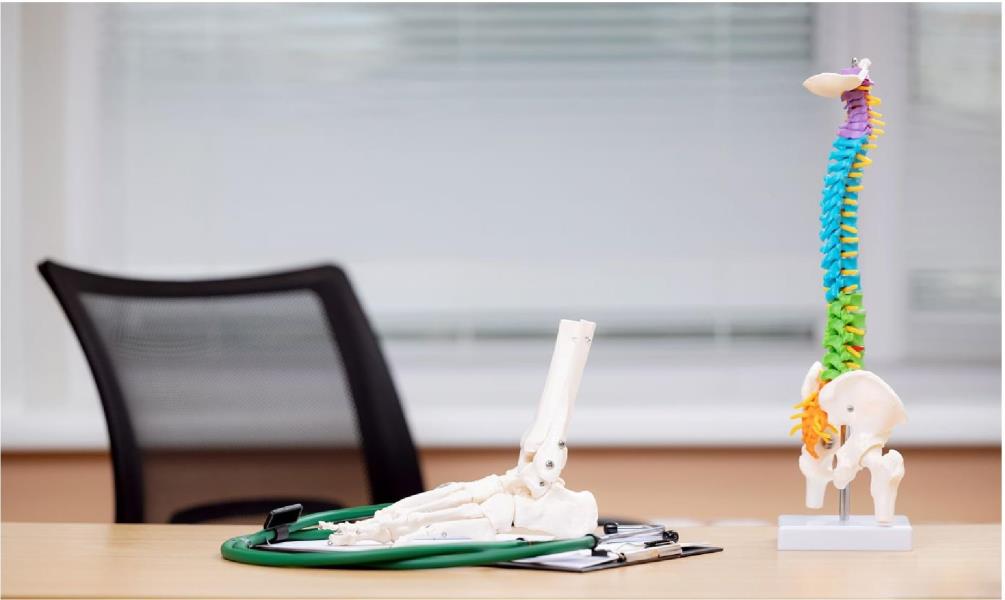
As the body’s base of support, the feet play a pivotal role in maintaining structural integrity. Pronation, arch collapse, or asymmetrical weight distribution can destabilize the pelvis, compromise spinal aligmnent, and create global functional weak links.
Weak links may be asymptomatic for long periods, so a skilled assessment is necessary to identify them before they lead to chronic dysfunction.
Effective management begins with a comprehensive, layered evaluation aimed at uncovering the root of dysfunction rather than just compensatory symptoms. Key assessment strategies include:
Evaluating static posture provides insight into asymmetrical loading patterns and areas of chronic stress. Anterior head carriage, pelvic tilt, dropped shoulder, or uneven arches often indicate deeper functional problems.
Chiropractors can detect segmental restrictions, joint dysfunction, and aberrant end-feel characteristics through precise palpation. These findings frequently correlate with neuromuscular inhibition or compensatory overactivity.
Functional movements, such as squats, gait analysis, single-leg balance, or lunge patterns, reveal limitations that static assessments may miss. Observing movement under load allows clinicians to identify deficits in stability, proprioception, or coordination.
Because the feet influence the entire kinetic chain, using digital foot scanners, pressure mapping, and visual gait analysis helps identify arch insufficiency, asymmetrical pressure patterns, or excessive pronation that may weaken proximal structures.
Weak links often express themselves through delayed recruitment of stabilizing musculature, such as the gluteus medius, deep cervical flexors, or intrinsic foot muscles. Targeted tests help distinguish true weakness from inhibition due to joint dysfunction.
Through these combined approaches, chiropractors can accurately pinpoint the underlying dysfunction contributing to pain, instability, or diminished performance.
Chiropractic adjustments provide more than structural realignment; they improve neuromuscular function and restore joint mechanics essential to a strong, coordinated kinetic chain.
Adjustments correct segmental restrictions, reduce aberrant loading, and restore natural arthrokinematics. When joints move properly, the surrounding musculature can activate appropriately, reducing compensatory stress and improving functional strength.
Every chiropractic adjustment stimulates mechanoreceptors, improving proprioceptive signaling and motor response patterns. Restored proprioception enhances key components weakened by dysfunctional patterns, including balance, stability, and coordination.
Joint dysfunction commonly inhibits associated musculature. Adjustments remove the inhibitory signaling, allowing the muscles to regain normal firing patterns, contract with greater efficiency, and support proper movement.
Because every joint influences the next, correcting dysfunction at one segment positively affects global movement patterns. Restoring spinal and pelvic alignment improves gait symmetry, shock absorption, and whole-body stability.
Research continues to affirm the powerful role of chiropractic adjustments in enhancing functional strength, increasing range of motion, and improving neuromuscular performance.
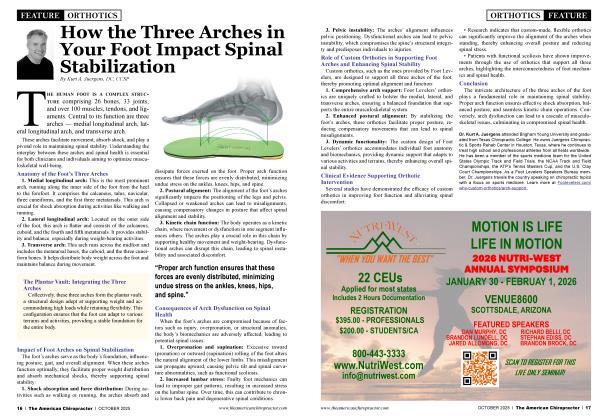
While adjustments address the spine and extremities directly, custom orthotics support the foundational structure of the entire body — the feet. Decades of study and clinical observation have helped advance our understanding of the foot-spine connection and its role in overall function.
Custom orthotics contribute to strengthening weak links in the following ways:
Orthotics provide consistent, corrective support for the arches and subtalar joint in each foot. A stable foundation minimizes asymmetrical loading on the knees, pelvis, and spine, reducing biomechanical stress that contributes to weak links.
Orthotics stimulate sensory receptors in the feet, improving balance, gait mechanics, and neuromuscular coordination. This heightened proprioception supports more efficient motor control throughout the body.
By redistributing pressure and improving shock absorption, orthotics help prevent muscular fatigue that can lead to compensation. Patients often experience improved endurance, posture, and overall functional efficiency.
When paired with chiropractic adjustments, custom orthotics help maintain improved alignment between visits, reinforcing the neurologic and structural gains achieved through care.
Together, chiropractic adjustments and custom orthotics provide a synergistic approach, correcting dysfunction from both the top down and the bottom up.
Chiropractic adjustments and custom orthotics work synergistically to strengthen weak links:
• Adjustments restore j oint motion and optimize neuromuscular response.
• Orthotics stabilize the feet and reinforce balanced biomechanics during daily activities.
This integrated approach provides patients with structural correction, improved functional performance, and enhanced long-term stability. It also leads to better patient satisfaction and improved clinical outcomes.
Identifying weak links in patient function is central to optimizing movement, preventing injury, and enhancing overall performance. Through detailed functional assessment, chiropractors can uncover the root causes of imbalance and dysfunction that often go unnoticed in traditional evaluations.
Chiropractic adjustments restore joint mobility, improve proprioception, normalize muscle activation, and rebalance the kinetic chain. Custom orthotics reinforce these corrections by stabilizing the foundation, enhancing neurological input, and reducing compensatory patterns.
The result is a stronger, more coordinated, and more resilient body capable of performing at its highest potential. As chiropractors continue to integrate structural and functional approaches, the combination of chiropractic care and custom orthotics stands as one of the most powerful strategies for strengthening weak links and advancing patient outcomes in today’s musculoskeletal healthcare landscape.

Dr. Kurt A. Juergens attended Brigham Young University and graduated from Texas Chiropractic College. He owns Juergens Chiropractic & Sports Rehab Center in Houston, Texas, where he continues to treat high school and professional athletes from all fields worldwide. He has been a member of the sports medicine team for the United States Olympic Track and Field Trials, the NCAA Track and Field Championships, the ATP’s Tennis Masters Cup, and the U.S. Clay Court Championships. As a Foot Levelers Speakers Bureau member, Dr. Juergens travels the country speaking on chiropractic topics with a focus on sports medicine. Learn More at www.footlevelers.com/more.