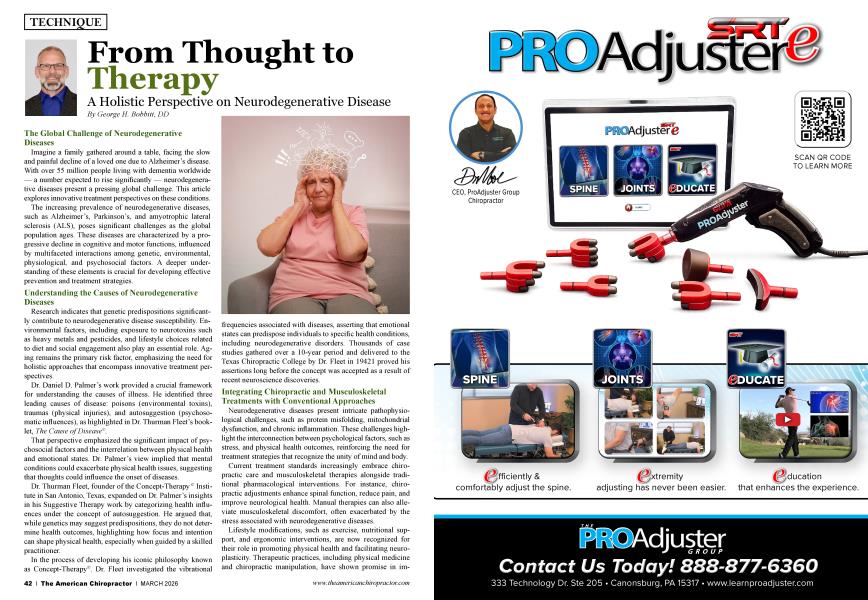
Imagine a family gathered around a table, facing the slow and painful decline of a loved one due to Alzheimer’s disease. With over 55 million people living with dementia worldwide — a number expected to rise significantly — neurodegenerative diseases present a pressing global challenge. This article explores innovative treatment perspectives on these conditions.
The increasing prevalence of neurodegenerative diseases, such as Alzheimer’s, Parkinson’s, and amyotrophic lateral sclerosis (ALS), poses significant challenges as the global population ages. These diseases are characterized by a progressive decline in cognitive and motor functions, influenced by multifaceted interactions among genetic, environmental, physiological, and psychosocial factors. A deeper understanding of these elements is crucial for developing effective prevention and treatment strategies.
Research indicates that genetic predispositions significantly contribute to neurodegenerative disease susceptibility. Environmental factors, including exposure to neurotoxins such as heavy metals and pesticides, and lifestyle choices related to diet and social engagement also play an essential role. Aging remains the primary risk factor, emphasizing the need for holistic approaches that encompass innovative treatment perspectives.
Dr. Daniel D. Palmer’s work provided a crucial framework for understanding the causes of illness. He identified three leading causes of disease: poisons (environmental toxins), traumas (physical injuries), and autosuggestion (psychosomatic influences), as highlighted in Dr. Thurman Fleet’s booklet, The Cause of Disease®.
That perspective emphasized the significant impact of psychosocial factors and the interrelation between physical health and emotional states. Dr. Palmer’s view implied that mental conditions could exacerbate physical health issues, suggesting that thoughts could influence the onset of diseases.
Dr. Thurman Fleet, founder of the Concept-Therapy® Institute in San Antonio, Texas, expanded on Dr. Palmer’s insights in his Suggestive Therapy work by categorizing health influences under the concept of autosuggestion. He argued that, while genetics may suggest predispositions, they do not determine health outcomes, highlighting how focus and intention can shape physical health, especially when guided by a skilled practitioner.
In the process of developing his iconic philosophy known as Concept-Therapy®. Dr. Fleet investigated the vibrational frequencies associated with diseases, asserting that emotional states can predispose individuals to specific health conditions, including neurodegenerative disorders. Thousands of case studies gathered over a 10-year period and delivered to the Texas Chiropractic College by Dr. Fleet in 19421 proved his assertions long before the concept was accepted as a result of recent neuroscience discoveries.
Neurodegenerative diseases present intricate pathophysiological challenges, such as protein misfolding, mitochondrial dysfunction, and chronic infl aimnation. These challenges highlight the interconnection between psychological factors, such as stress, and physical health outcomes, reinforcing the need for treatment strategies that recognize the unity of mind and body.
Current treatment standards increasingly embrace chiropractic care and musculoskeletal therapies alongside traditional pharmacological interventions. For instance, chiropractic adjustments enhance spinal function, reduce pain, and improve neurological health. Manual therapies can also alleviate musculoskeletal discomfort, often exacerbated by the stress associated with neurodegenerative diseases.
Lifestyle modifications, such as exercise, nutritional support, and ergonomic interventions, are now recognized for their role in promoting physical health and facilitating neuroplasticity. Therapeutic practices, including physical medicine and chiropractic manipulation, have shown promise in improving mobility and function, supporting physical, cognitive, and emotional well-being. This welcoming of holistic models elevates chiropractic techniques that treat the whole person, which is essential in these contexts.
Dr. Thurman Fleet advocated for an integrated view of health that encompasses physical, mental, and spiritual aspects. His instruction in the original Zone Technique™ highlights the pathways of physical ailments originating from psychophysiological imbalances, encouraging treatment approaches such as Zone Therapy ™ that address biological symptoms while considering the musculoskeletal implications of stress and emotional states.
“Collaboration among healthcare professionals, including chiropractors, physiotherapists, and medical practitioners, is crucial for developing effective interventions.”
Collaboration among healthcare professionals, including chiropractors, physiotherapists, and medical practitioners, is crucial for developing effective interventions. By combining insights from contemporary medical science with chiropractic methodologies, we can cultivate a comprehensive understanding of neurodegenerative diseases, ultimately improving patient outcomes.
Focusing on musculoskeletal health enhances the dialogue regarding holistic treatment within the medical community, reinforcing the significant role of physical wellness in managing neurodegenerative conditions. Integrating traditional biomedical models with musculoskeletal care can create a more unified approach, illuminating the connections between physical and emotional states. Techniques that promote physical health, such as chiropractic adjustments, exercise, and rehabilitative therapies, can improve physical functioning and emotional resilience, leading to better health outcomes for those affected by neurodegenerative diseases.
In summary, understanding the complexities of neurodegenerative diseases necessitates embracing integrative, holistic treatment approaches. The foundational work of Dr. Daniel D. Palmer and Dr. Thurman Fleet highlighted the multilayered nature of these disorders, emphasizing the vital connection between psychological, emotional, and physiological health.
Dr. Palmer’s identification of enviromnental toxins, trauma, and autosuggestion highlights the need in today’s chiropractic community for a comprehensive exploration of the biological, psychological, and emotional dimensions of these diseases. Dr. Fleet’s contributions further this exploration, offering insights into how thought patterns can influence health outcomes and advocating for a departure from fixed views of genetic predisposition, along with principled methods of holistic treatment.
The pathophysiological mechanisms underlying neurodegenerative diseases, such as protein misfolding and chronic inflammation, confirm the complex interaction between psychological states and physical ailments. Stress and emotional disturbances significantly contribute to the progression of these diseases, accentuating the importance of treatments that integrate mental or emotional and physical health strategies. As advancements in neuroscience continue, techniques that enhance neuroplasticity emerge as key methods for managing cognitive decline.
Additionally, Dr. Thurman Fleet’s total health handbook, Rays of the Dawn® , presents a comprehensive health approach that integrates physical, mental, and spiritual aspects. This format acknowledges that many health issues stem from functional imbalances and psychological factors, advocating for a refined understanding of health that transcends mere symptom relief.
Chiropractic care plays a significant role in this integrative paradigm, focusing on the musculoskeletal system’s connection to overall health. By addressing spinal aligmnent, chiropractors can influence neurological function, reduce inflammation, and enhance blood flow, potentially mitigating some effects of neurodegenerative conditions.
Furthermore, chiropractic techniques can improve the body’s healing capacity, supporting the intricate balance between physical and psychological well-being. Evidence-based practices, such as spinal manipulation, meditation techniques, and lifestyle counseling that chiropractors often provide, can bolster mental resilience and develop a holistic healing environment.
Collaboration among peers and alternative practitioners is essential for developing effective, holistic care strategies. By combining contemporary medical knowledge with historical chiropractic philosophies, we can create a compassionate model of care that attends to the multifaceted nature of neurodegenerative diseases.
Exploring the conceptual dimensions of health opens new avenues for both understanding and treating neurodegenerative diseases. Investigating how beliefs, emotions, and intentions influence physical health can extend the boundaries of inquiry and treatment possibilities. These considerations enrich traditional biomedical approaches, adding depth to our comprehension of health and the healing process.
Ultimately, integrating insights from both modern neuroscience and historical and philosophical models is essential to advancing our understanding of neurodegenerative diseases. Embracing a holistic methodology — as exemplified by effective chiropractic practices — may significantly enhance patient outcomes and transform disease management, paving the way for innovative treatment solutions and improving the quality of life for those affected.
1. Palmer DD. The science, art, and philosophy of chiropractic. Portland: Portland Printing House;. 1910.
2. Fleet GT. The cause of disease booklet. 1967.
3. Fleet GT. Rays of the dawn-. natural laws of the body, mind, and soul. San Antonio: Concept-Therapy Institute; 2000.
Dr. George H. Bobbitt is a chiropractor with 25 years of experience, focusing on human behavior and neuroscience. As an educator in Concept-Therapy, he promotes a holistic healing approach, helping patients and students improve their health by integrating their body, mind, and spirit. Contact info: qeorge. [email protected].
1. Fleet GT. Where there is a will there is a way. San Antonio: Concept-Therapy Institute; 1997.